A good foundation shrub ought to do its job without becoming a regular pruning project. I want plants that stay reasonably low, hold an attractive shape, and give me something to enjoy year round. Once they are established, they should not need a whole lot of attention.
There are plenty of choices, from soft little conifers to flowering shrubs, colorful foliage plants, and tough native hollies. The important part is buying the right variety. A dwarf selection and its full-size relative can be entirely different propositions beside a house.
Key Takeaways
- Buy the exact dwarf selection, because full-size relatives can quickly outgrow a foundation planting.
- Match shrubs to available light rather than choosing only for foliage or flowers.
- Compact shrubs can exceed label dimensions over time, but their growth is easier to manage.
- Natural rounded and spreading habits reduce the pruning needed to keep plants below windows.
Table of Contents
- What “Dwarf” Really Means in a Foundation Planting
- Rounded Evergreens for Structure
- Compact Flowering Shrubs for Sunny Foundations
- Low Evergreen Shrubs for Part Shade and Shade
- Compact Shrubs for Foliage Color and Long Seasonal Interest
- Tough Dwarf Hollies for Low Foundations
- Choose a Shrub You Will Not Have to Fight
What “Dwarf” Really Means in a Foundation Planting
Compact shrubs do not have a magic off switch. A tag that says 2 to 3 feet tall does not necessarily mean the plant will stop there forever. Over 20 or 30 years, even slow-growing shrubs can work their way past those dimensions.
I find it more useful to think about many of those measurements as a size the plant is easily maintained at. There is a big difference between occasionally trimming a dwarf shrub and constantly cutting a screening plant away from a window.
Before choosing a plant, pay particular attention to:
- The exact variety: Cryptomeria, pittosporum, viburnum, yaupon holly, and several other groups include both compact shrubs and much larger plants.
- The natural shape: A spreading mound is usually easier to use below a low window than a naturally upright shrub.
- The light: Some of these selections are happiest in full sun, while others are especially useful in part shade or shade.
- Your local growing conditions: Check the variety’s hardiness before buying. The USDA Plant Hardiness Zone Map is a useful starting point.
Rounded Evergreens for Structure
Dragon Prince and Globosa Nana Cryptomeria
Cryptomeria, or Japanese cedar, includes trees that can reach 50 to 80 feet tall. It also includes these wonderful little true dwarfs. Dragon Prince and Globosa Nana are two I am particularly drawn to for low foundation plantings.
Both have soft foliage and naturally form rounded domes, slightly wider than tall. That natural habit is the whole attraction. You do not have to keep shaping them to make them look like compact plants.
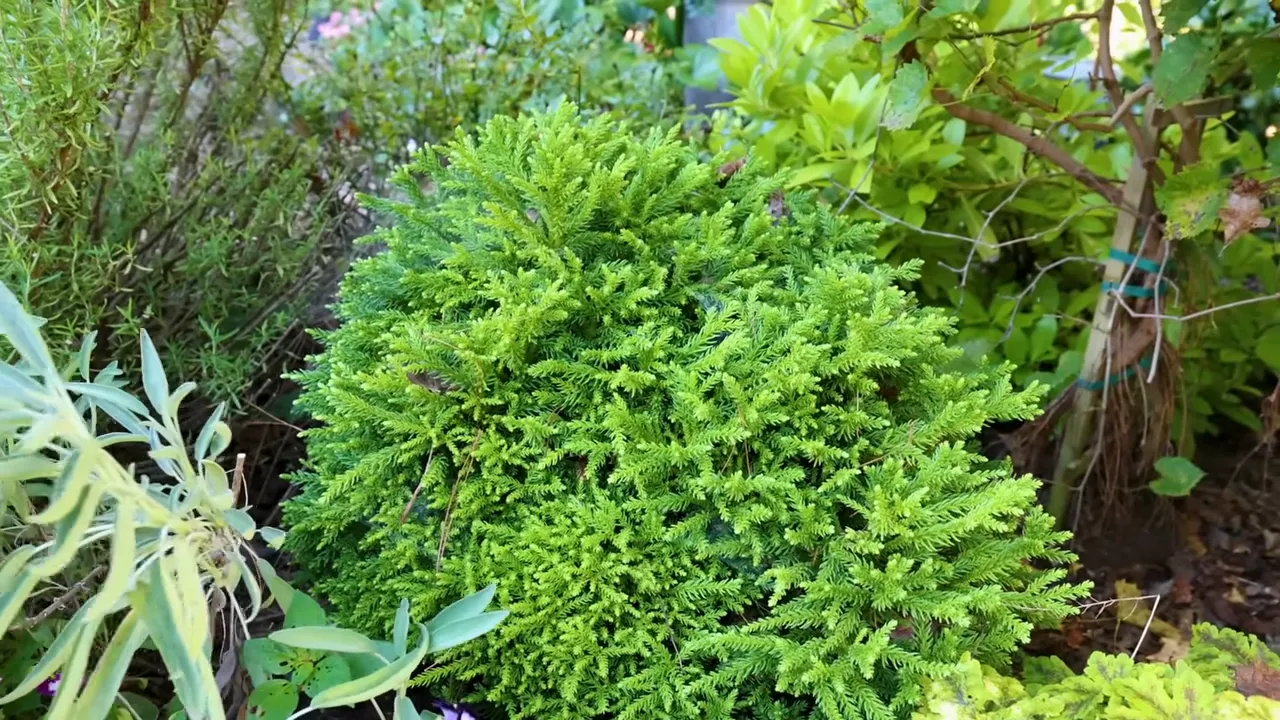
Over a long period, they can slowly reach the 4- to 5-foot range, but they can be controlled around 2 to 2½ feet tall. For a sunny foundation where you want conifer texture without a large conifer, both are good choices.
Low-Growing Boxwoods
You cannot talk about compact evergreen shrubs without including boxwoods. There are lots of varieties, though, and they are not all naturally low and rounded.
Some grow upright. Others make broad domes. You can often see the beginnings of that habit in the nursery container, so look at the shape of the plant as well as its label.
Boxwoods respond well to pruning and can be maintained at a range of sizes, but starting with a low-growing variety is the easier route. Do not buy an upright selection and then give yourself the job of turning it into a low mound.
Compact Flowering Shrubs for Sunny Foundations
Radiance and Miss Lemon Abelia
Radiance is probably my first choice among compact, low maintenance abelias, with Miss Lemon right behind it. A big reason is how well they hold their foliage color through winter.
Radiance has bright variegated foliage with yellowish tones and attractive red stems underneath. That combination gives it interest even when it is not flowering.
Once flowering starts, typically around early June in my garden, it continues until frost. It picks up after many of the spring-flowering shrubs have finished, and pollinators absolutely love it.
For a foundation planting, that is a lot from one shrub: a compact habit, colorful foliage, a long flowering season, and relatively little maintenance.
Rose Creek Abelia
Rose Creek is another excellent dwarf abelia, particularly if you prefer green foliage. It stays small and compact while offering the drought tolerance, disease resistance, and easygoing nature that make abelias so useful.
The flowers attract bees through summer, but the interesting part comes after the individual flowers drop. The calyces, the little structures behind the flowers, become reddish and remain on the plant.
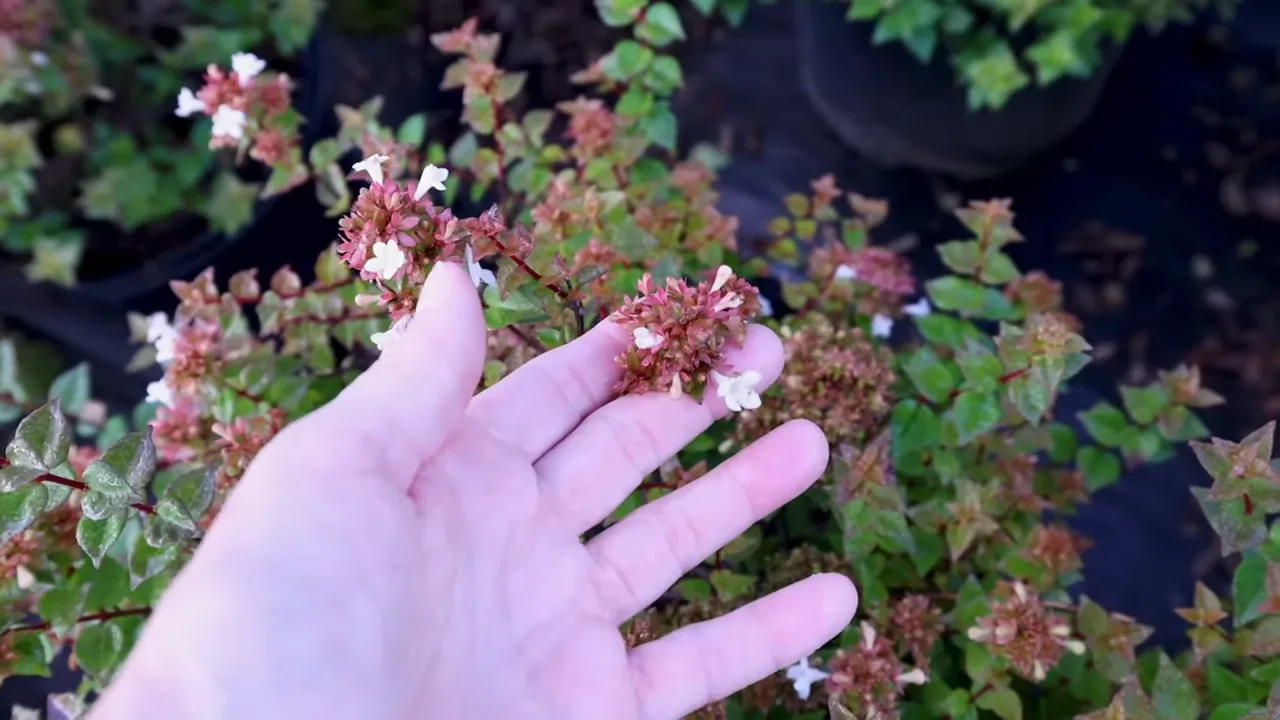
From a little distance, it can look as though the shrub has started a second round of flowering. You may see white flowers surrounded by those reddish remnants at the same time, which adds another layer of interest.
Kaleidoscope Abelia
Kaleidoscope is another compact variegated option and one of the biggest-selling plants in the nursery trade. Like the other abelias here, it is drought tolerant, low maintenance, and adaptable. Abelias can take dry shade as well as full sun.
The difference comes down to color preference. Kaleidoscope develops orangey winter tones. A lot of people enjoy that change, but I personally prefer Radiance and Miss Lemon because their winter color stays closer to the look I want.
None of that takes away from Kaleidoscope as an easy landscape plant. It is simply worth choosing the winter foliage color you like, not just the summer color sitting in front of you at the nursery.
Clean Sweep Snowbank Indian Hawthorn
Indian hawthorns have long been some of my favorite low evergreen shrubs. Unfortunately, leaf spot disease has caused problems with many compact selections over the years.
Clean Sweep Snowbank is a dwarf, white-flowering selection chosen for leaf spot resistance. The plant in my garden had been in the ground about a year and was carrying clean foliage, even with neighboring annuals and perennials crowding it a bit.
It flowers white in spring, then settles into a low dome of glossy, dark green leaves. The new growth is lighter, so you get a little two-tone effect as well. That tidy mound and shiny foliage make it useful long after flowering is finished.
Frostproof Gardenia
Frostproof was one of my biggest sellers when I was in the nursery business. It makes a compact, dome-shaped shrub with dark green foliage and plenty of traditional double gardenia flowers.
It is easy to maintain around 3 to 4 feet tall and wide. If you need it smaller, pruning after the spring bloom can keep it closer to 2½ or 3 feet in each direction.
Some single-flowering gardenias can produce more flowers, but many people are especially drawn to that full, double-flowered look. Frostproof combines it with a very useful rounded habit.
Dwarf Encore Azaleas: Autumn Fire and Autumn Lilac
Encore azaleas offer plenty of choices, but for a low foundation, narrow your search to the dwarf selections. The Encore Azalea website lets you compare plants by size, flower color, and bloom characteristics.
Autumn Fire is a good dwarf choice. My personal favorite among the especially compact selections is Autumn Lilac.
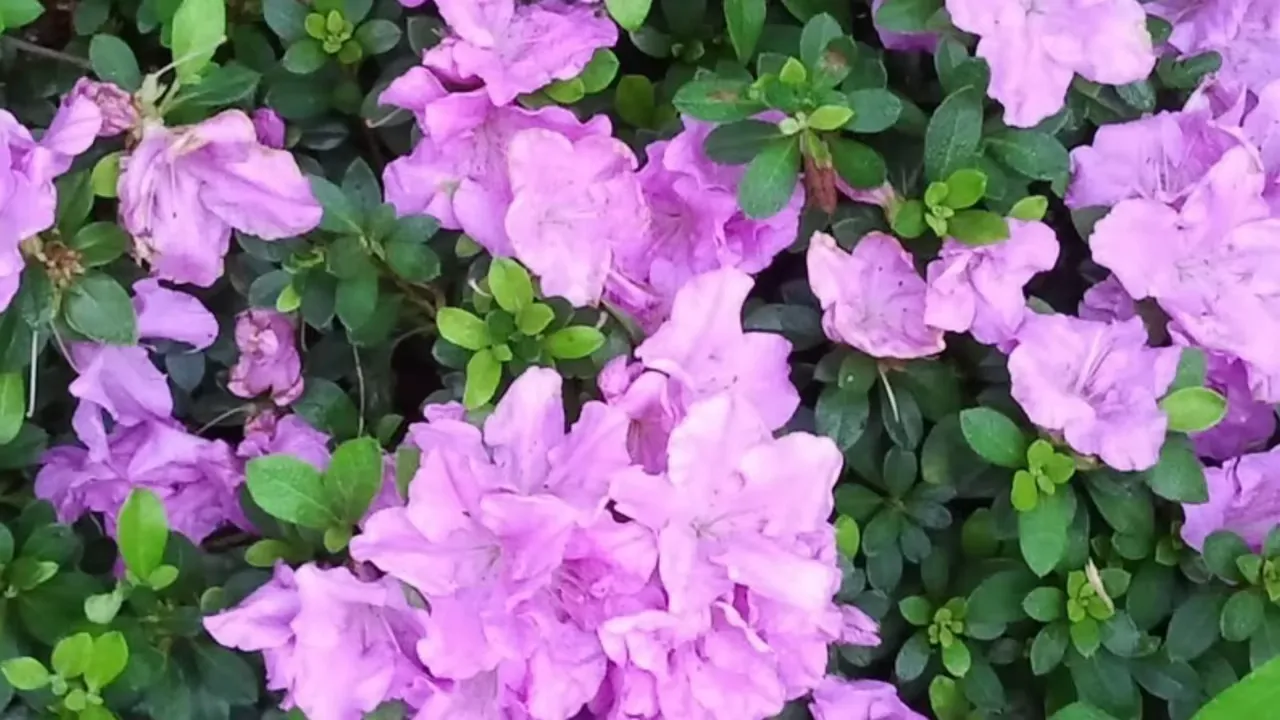
Autumn Lilac carries surprisingly large flowers on a small plant. The color can read as lavender, purple, or even pink depending on the moment. It also blooms multiple times a year. In my garden, it was setting buds in early September for another display in October.
These are the sunnier azalea choices in this group. I look for roughly six hours of direct sun or more for Encore azaleas. For a shadier location, Gumpo azaleas are worth considering instead.
Low Evergreen Shrubs for Part Shade and Shade
Bohemian Beauty and Burning Love Leucothoe
Leucothoe is another group where the variety matters. Some get quite large, but Bohemian Beauty and Burning Love fit the low, compact category nicely.
Bohemian Beauty has variegated foliage that changes as the leaves mature. New leaves begin lighter, then darken over time, creating a mixture of colors and patterns across the plant. It is particularly showy in spring and early summer when there is more fresh growth.
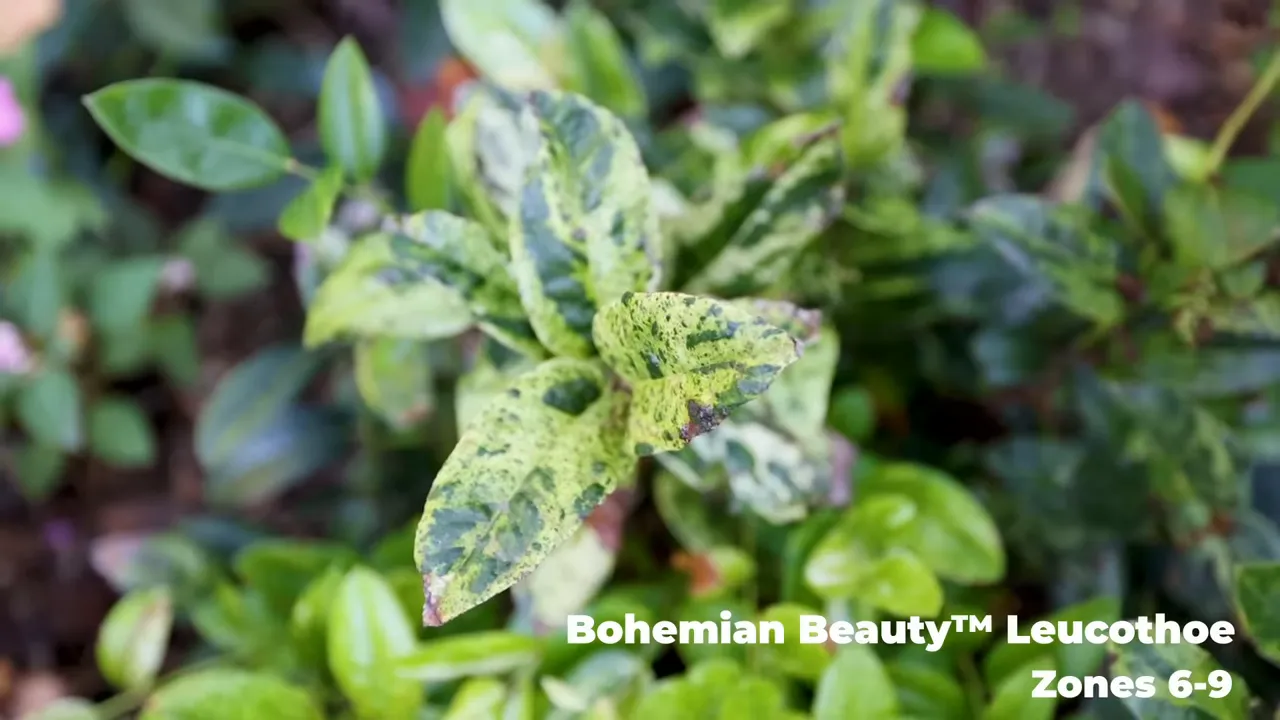
It does flower, but the foliage is the reason I grow it.
Burning Love takes a different approach. Its new spring growth is bright red, and the plant develops a beautiful purple color in winter. Both selections are happiest in part shade, making them useful alternatives to the sun-loving foundation shrubs.
Soft Caress Mahonia
Soft Caress is a great little fine-textured evergreen for part shade to shade. Its narrow foliage gives you a completely different look from the rounded leaves of many foundation shrubs.
I find it combines with almost anything. The texture and slightly different foliage color provide contrast without making the planting feel busy.
It also produces yellow flowers in winter that attract pollinators. An established plant in my garden, after roughly 18 months in the ground, already showed that attractive low shape and narrow foliage beautifully.
Gumpo Azaleas
If your space is shadier than the spot I would choose for Encore azaleas, Gumpos are fantastic compact plants. They are available with white or pink flowers and bloom in spring rather than repeating through the year.
Their real advantage for a low foundation is the habit: small, dense domes, slightly wider than tall. Think roughly 2 feet high and 3 feet wide. That natural shape makes them very low maintenance.
Prostrate Cephalotaxus
Prostrate cephalotaxus, Cephalotaxus harringtonia ‘Prostrata’, comes close to being a ground cover. It shows up in a lot of good shade gardens for a reason.
It stays low and gradually spreads, giving you the choice of allowing a broad planting or keeping it as an individual ornamental shrub.
The main maintenance is occasionally bringing the width back in. It grows slowly enough that, in my experience, that may only be a once-a-year job. For evergreen texture in shade without much fuss, it is a great plant.
Mojo and Wheeler’s Dwarf Pittosporum
Mojo is one of my favorites in this whole group. Its variegated foliage brightens a darker spot under other plants, and it looks especially good in light shade.
Be careful with the name on the label. Some green and variegated pittosporums can reach 20 to 25 feet tall. Mojo is a dwarf selection, and Wheeler’s Dwarf is another compact option with green foliage.
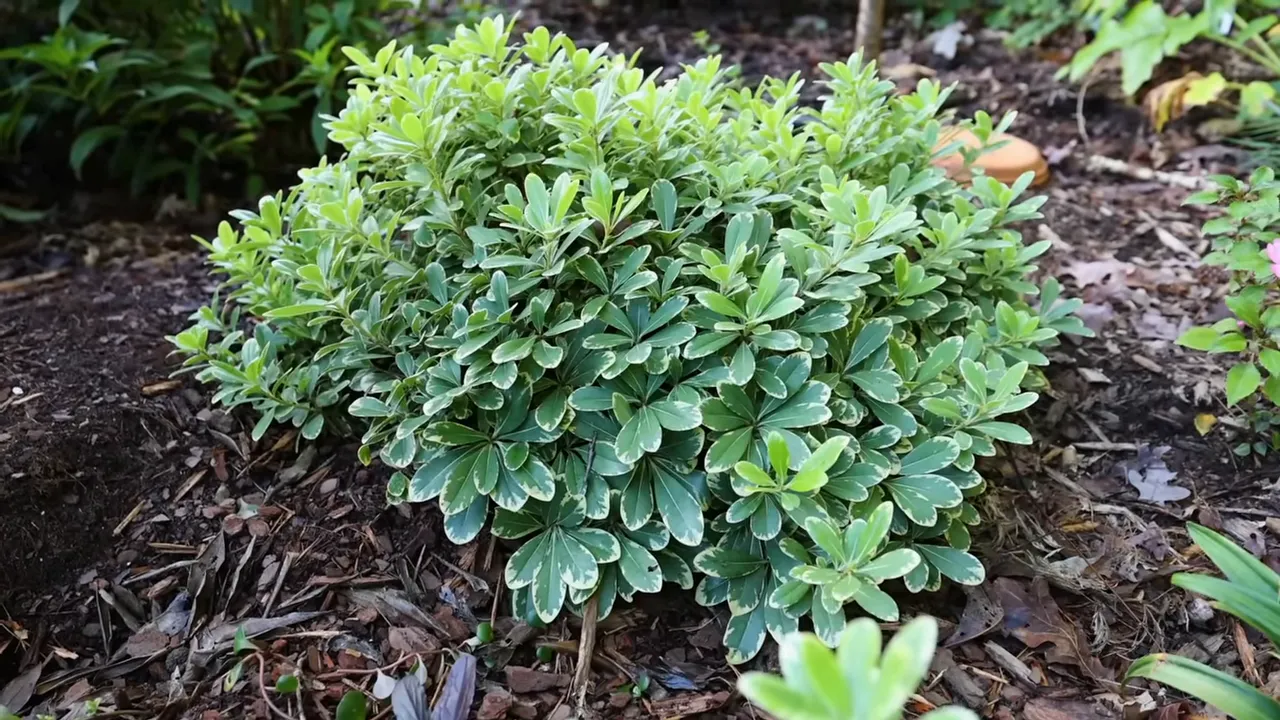
Both grow noticeably wider than tall. The plants in my garden had been in the ground about 18 to 24 months without pruning and were already making attractive low mounds. That is exactly what I want in a low maintenance foundation shrub.
Compact Shrubs for Foliage Color and Long Seasonal Interest
Raulston’s Hardy Viburnum
Raulston’s Hardy is a compact selection of Viburnum obovatum. The regular native plant can become almost a small tree, so this is another case where buying the named dwarf makes all the difference.
This selection can be maintained around 2 feet tall and 3 to 4 feet wide, or allowed to grow a little larger. It flowers heavily and often, with a particularly long flowering performance for an evergreen shrub.
It is a useful option when you want a low green shrub with flowers rather than relying entirely on foliage for interest.
Purple Daydream Loropetalum
Older loropetalums caused a lot of frustration when they were planted along foundations. Many were really screening plants, and keeping them below windows meant a lot of pruning.
The dwarf selections have become smaller and better suited to these spaces. Purple Daydream is the best of the dwarf purple-foliaged loropetalums I have seen so far.
Established examples I have seen after about three years were attractive little plants around 3 feet tall. Mine also looks good in part shade, although it loses some purple color where the shade arrives earlier. In full sun, the foliage would be more consistently purple throughout.
Emerald Snow Loropetalum
For green foliage and white flowers, Emerald Snow is another very compact loropetalum worth considering.
It is easy to maintain somewhere around 2½ to 4 feet tall. If you like the habit of a dwarf loropetalum but do not want purple foliage, this is a good alternative.
Dwarf Nandinas
The dwarf nandinas offer several different color effects without the size of older forms.
- Firepower: Green summer foliage changes to bright red in winter.
- A variegated dwarf form: Fresh growth changes in appearance as it develops, adding another foliage pattern before the winter red color arrives.
- Obsession: Attractive red new growth appears through the growing season.
- Lemon Lime: Chartreuse foliage supplies the bright color its name suggests.
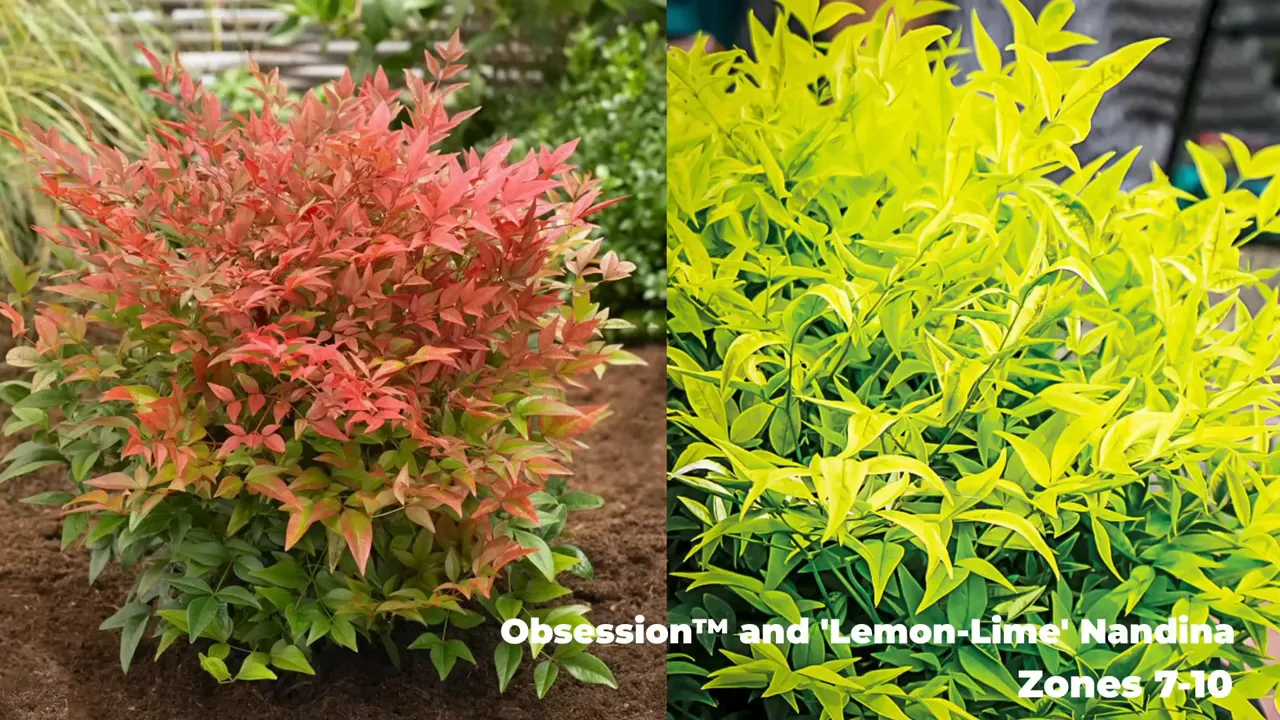
The selections I am referring to here are seed-free, an important distinction from older nandinas that can spread by seed. Do not treat every nandina as interchangeable. The particular selection matters for more than just size and color.
Tough Dwarf Hollies for Low Foundations
Carissa Holly
Carissa holly is one of the toughest compact shrubs I have grown. I had it along the foundation at my old house for 23 years, and for most of that time it was very close to a plant-it-and-forget-it shrub.
It is a broadleaf Chinese holly with a single point at the end of the normal leaf. It is very drought tolerant and easy to maintain as a rounded plant around 2 feet tall and 3 feet wide.
Left alone for many years, it can reach 4 feet or more. I have seen unpruned plants approach 5 feet over about two decades.
There is one long-term issue to know about. Carissa originated as a sport of ‘Rotundifolia’, and it can revert, producing growth with more points on the leaves. That started appearing on my old plants after about 15 years.
It does not erase all the plant’s good qualities, but it is worth knowing before you choose it for a planting you expect to keep for decades.
Hoogendorn and Touch of Gold Japanese Holly
Japanese hollies include plenty of dwarf choices. Hoogendorn has always been one I am drawn to. I grew and sold a lot of it in my nursery, and I consider it a tougher landscape performer than some of the more commonly offered compact selections.
Touch of Gold is a golden-foliaged sport of Hoogendorn. It gives you another way to add bright foliage while keeping a compact holly habit.
Soft Touch and Helleri are also widely available. They can look like perfect little round balls in their containers, but I have found them less forgiving in the landscape. In particular, do not let Soft Touch dry out during long stretches without rain or irrigation.
For my money, the green Hoogendorn or its gold counterpart deserves a close look.
Dwarf Yaupon Holly
Dwarf yaupon is one of the kings of low, compact evergreen shrubs. It is a native option, exceptionally tough, very drought tolerant, and highly deer resistant in my experience.
Again, make sure you are getting a dwarf yaupon. Regular yaupons can grow into small trees.
The dwarf forms are easy to maintain around 2 to 3 feet tall. They can grow larger with age, though. I have seen plants reach 6 feet when they were 20 or 30 years old and had never been pruned.
That is not a reason to avoid them. It is a reminder that “dwarf” means a manageable growth habit, not a lifetime promise of one exact height. Among low-growing evergreen hollies, dwarf yaupon belongs near the top of my list for sheer durability.
Choose a Shrub You Will Not Have to Fight
The best foundation shrub is not simply the smallest plant at the nursery. It is the right variety for your light, with a natural shape and growth rate that fit the space.
For sunny areas, dwarf cryptomerias, compact abelias, Indian hawthorn, gardenias, and dwarf Encore azaleas give you plenty of options. In shadier beds, leucothoe, Soft Caress mahonia, Gumpo azaleas, prostrate cephalotaxus, and dwarf pittosporum offer useful changes in texture and color.
And when toughness is the priority, Carissa and dwarf yaupon hollies are hard to ignore. Choose carefully at the beginning, and keeping a foundation planting low and attractive becomes a much easier job.


